
Role of the Election Commission of India (ECI): Its Independence in Investigation, Redressal of Complaints and Management of Voter Data

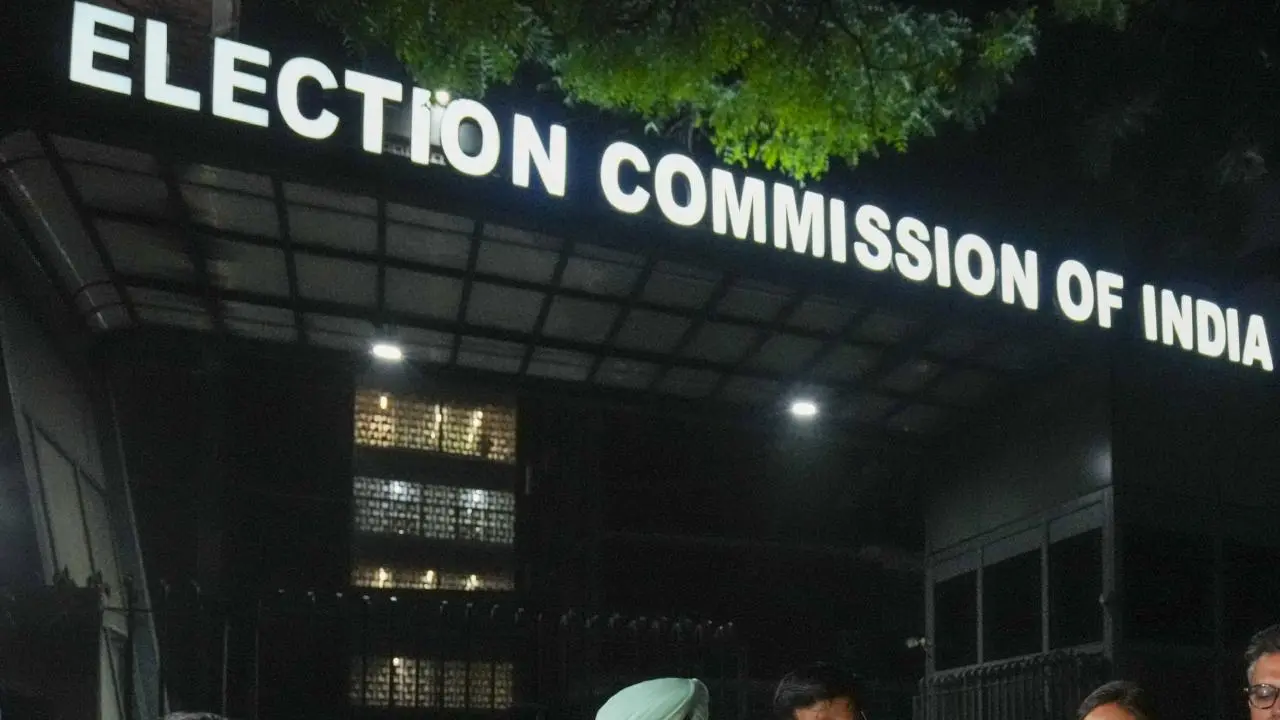
The Election Commission of India stands as one of the most significant constitutional institutions in the world's largest democracy, wielding extensive powers to conduct free and fair elections.
(2024-25) Key Metrics & Constitutional Scope
Overview: The commission manages the world's largest voter database while operating under a complex mandate that encompasses investigation, complaint redressal, and maintaining independence from executive interference.
Constitutional Foundation and Independence
Article 324: The Mandate
The Election Commission derives its authority from Article 324 of the Constitution, which vests "superintendence, direction and control" of all elections in the commission. This constitutional provision grants the ECI plenary powers over the entire electoral process.
Safeguards for Independence
- Security of Tenure: Removal process same as SC judge.
- Fixed Conditions: Salary/Service cannot be altered to disadvantage.
- Presidential Appointment: Not at executive pleasure.
- Judicial Protection: Art. 329 bars court interference.

Organizational Structure & Powers
The ECI's powers can be systematically classified into three distinct categories:
Administrative Powers
Process Control
- Electoral Roll Management
- Election Scheduling
- Party Registration
- Constituency Delimitation
Quasi-Judicial Powers
Tribunal Functions
- Dispute Resolution (Symbols)
- Investigation Authority
- Judicial-like Proceedings
- Conducting Hearings
Advisory Powers
Expert Guidance
- Disqualification Advice
- Constitutional Consultations
- Policy Recommendations
- Legal Amendments

Investigation Powers and Enforcement
Scope of Authority
The ECI possesses robust investigative powers derived from its constitutional mandate. Key powers include investigating Booth Capturing, monitoring Campaign Expenditure, and inquiring into Model Code Violations.
Enforcement Mechanisms
The commission employs Flying Squads, Static Surveillance Teams, and Webcasting.
⚠️ Limitations
Despite extensive powers, the ECI faces constraints such as the Model Code lacking statutory backing and dependency on state police for enforcement.
Complaint Redressal Mechanism
Response Time Standards
Primary Channels
- Toll-Free Helpline 1950: 24-hour response
- cVIGIL Mobile App: Real-time reporting (GPS)
- Online Grievance Portal: Web-based filing
- State CEO Offices: State-level handling
Resolution Targets
- General Complaints: 24-48 hours
- Poll Day Urgent: 30-60 minutes
- cVIGIL Reports: 100 minutes

Voter Data Management & Privacy
The Election Commission maintains one of the world's largest citizen databases through the EPIC system containing details of over 950 million voters.
Security Measures
- Encrypted Storage
- Role-based Access Controls
- Regular Security Audits
- Backup Systems
Privacy Challenges
- Data Sharing: Telangana Case controversy.
- Aadhaar Linkage: Surveillance concerns.
- Profiling: AI misuse and deepfakes.
Challenges & Future Reforms
Structural Limitations
Current Hurdles
- Appointment Process: Lack of collegium system.
- Resource Dependency: Reliance on borrowed staff.
- Financial Constraints: Budget approval via parliament.
Recommended Reforms
Path Forward
- Collegium System: For independent appointments.
- Dedicated Service: Permanent election cadre.
- Data Law: Privacy framework aligned with GDPR.
Conclusion: The ECI operates as a robust institution but requires structural reforms to maintain independence in an increasingly complex political and technological environment.
No comments yet. Be the first to share your thoughts!